
About 50,000 cats are living on the streets in Singapore

Please refer href these guide on how href register your cat.
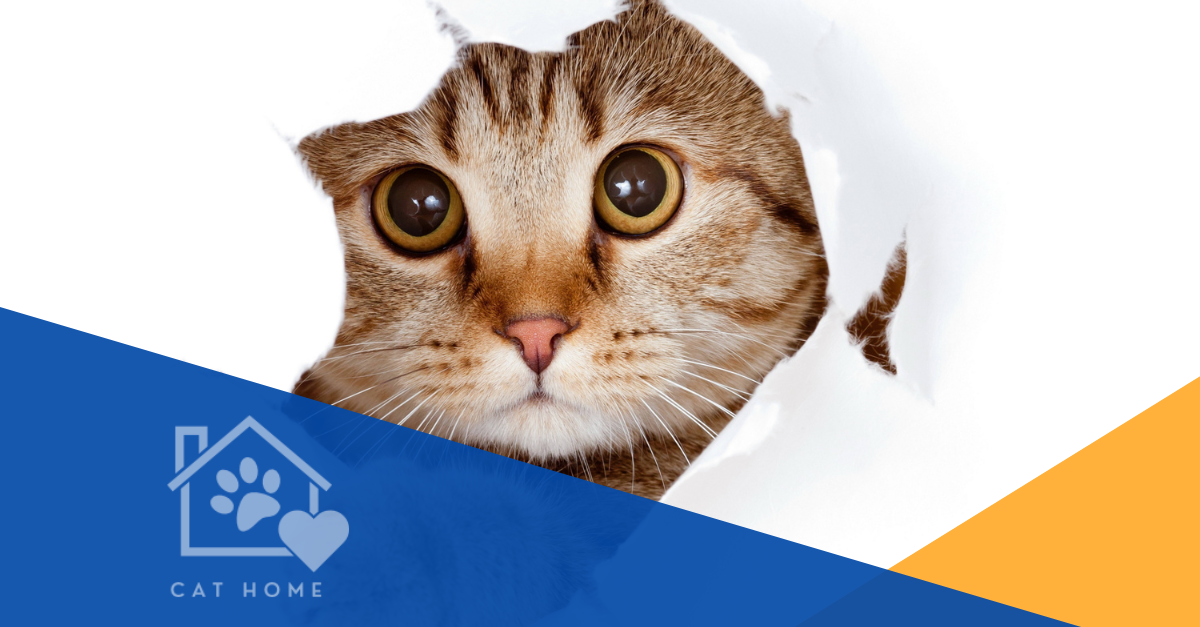
The Flexibility of a Cat: Exploring Their Ability to Fill Any Space
By Salwati Samzaman
Mon, Jan 22, 2024
Cats have a remarkable ability to squeeze into the tiniest of spaces, defying the laws of physics. Their bodies seem to possess a liquid-like quality that allows them to fit into containers, crevices, and gaps effortlessly. In this article, we will delve into the intriguing world of feline flexibility and uncover the secrets behind their extraordinary capacity to fill any space.
The Flexible Feline Physiology:
Cats' bodies are designed with incredible flexibility. Their bones are connected by flexible joints and supported by strong yet supple muscles. Unlike humans, who have collarbones that limit shoulder movement, cats' collarbones are free-floating, enabling them to compress their bodies in extraordinary ways. Additionally, their spines are highly flexible, consisting of numerous small bones called vertebrae, which allow them to twist, turn, and bend with ease. These unique anatomical features provide the foundation for their liquid-like movements.
Adapting to the Environment:
Cats' ability to fill any space is not only a result of their physical flexibility but also their remarkable adaptability. They possess a keen sense of spatial awareness, allowing them to judge and navigate tight spaces accurately. Cats are adept at manipulating their bodies to fit through narrow openings by contorting themselves in clever ways. Their flexible bodies, combined with their natural curiosity, enable them to explore and inhabit spaces that may seem impossible for their size.
The Role of Collapsible Skeletons:
One of the key factors that contribute to cats' liquid-like behavior is their collapsible skeletons. Unlike rigid structures found in many other animals, cats' skeletal system is designed to compress and expand. This collapsibility allows their bodies to mold and adjust to various shapes and sizes. When encountering a narrow passage or a confined space, cats can retract and compress their skeletal structure, making themselves smaller and more adaptable to the surroundings.
Muscle Control and Tension:
Cats have exceptional control over their muscles, which further enhances their ability to fit into tight spaces. They can selectively tense and relax their muscles, enabling them to squeeze through openings that seem impossibly small. By adjusting the tension in their muscles, cats can compress their bodies and even flatten themselves to slip into narrow gaps effortlessly. This muscular control, combined with their flexible skeletons, gives them the advantage of being able to fill any available space.
The liquid-like ability of cats to fill any space is a testament to their remarkable flexibility, adaptability, and unique anatomical features. From squeezing into cardboard boxes to curling up in small nooks, cats' bodies seem to defy the constraints of the physical world. Their liquid secrets continue to fascinate and enchant us, showcasing the extraordinary wonders of nature.