
About 50,000 cats are living on the streets in Singapore

Please refer href these guide on how href register your cat.
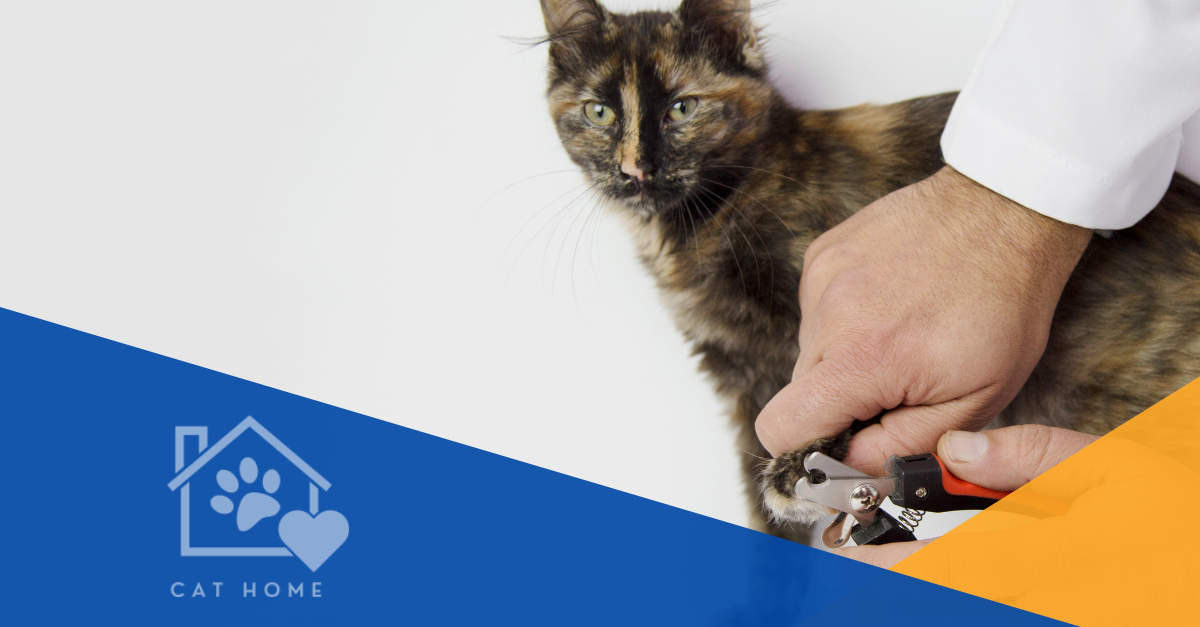
Should You Trim Your Cat's Back Claws? A Beginner's Guide
By Salwati Samzaman
Mon, Dec 18, 2023
Trimming your cat's back claws is an essential aspect of cat care. It helps maintain their overall health and prevents potential problems. If you are new to this practice, this beginner's guide will provide you with the necessary information to make an informed decision about trimming your cat's back claws.
Understanding Cat Claws.
Cats' claws are retractable and serve various purposes. They are used for climbing, scratching, hunting, and self-defense. A cat's front and back claws differ in terms of length and sharpness. While front claws naturally wear down through scratching, back claws tend to grow longer and may require regular trimming.
The Importance of Trimming.
Regularly trimming your cat's back claws has several benefits. It helps prevent overgrowth, which can lead to discomfort, pain, and potential injuries. Long claws can become snagged in carpets, furniture, or other surfaces, causing your cat pain and distress. Additionally, overgrown back claws may inadvertently scratch you, your family members, or other pets during play or grooming sessions.
Getting Started with Trimming.
1. Prepare the tools: Acquire a pair of cat nail clippers or human nail clippers with a straight edge. Ensure the clippers are clean and in good condition.
2. Familiarize your cat: Gradually introduce your cat to having their paws touched and manipulated. Start by gently touching their paws while offering treats or praise. This helps them associate paw handling with positive experiences.
3. Observe the claws: Examine your cat's back claws to determine if they require trimming. Ideally, the claws should not touch the ground when your cat is standing. Look for signs of overgrowth, such as curling or sharpness.
4. Find a calm environment: Choose a quiet and comfortable space where you and your cat can relax during the trimming process. Consider having a favorite toy or treat nearby to provide positive reinforcement.
Trimming Technique.
Hold your cat's paw gently but securely. Extend the claw by applying gentle pressure to the pad. Identify the translucent area called the "quick" within the claw. Carefully trim only the sharp tip of the claw, avoiding the quick. Take breaks if needed and reward your cat with treats or affection throughout the process. Remember to trim the claws at a 45-degree angle to prevent splintering.
Regularly trimming your cat's back claws helps maintain their well-being and prevents potential problems. With patience, practice, and a calm approach, you can gradually introduce this grooming routine to your cat. If you're uncertain or uncomfortable, consult a professional groomer or veterinarian who can guide you in safely trimming your cat's back claws.