
About 50,000 cats are living on the streets in Singapore

Please refer href these guide on how href register your cat.
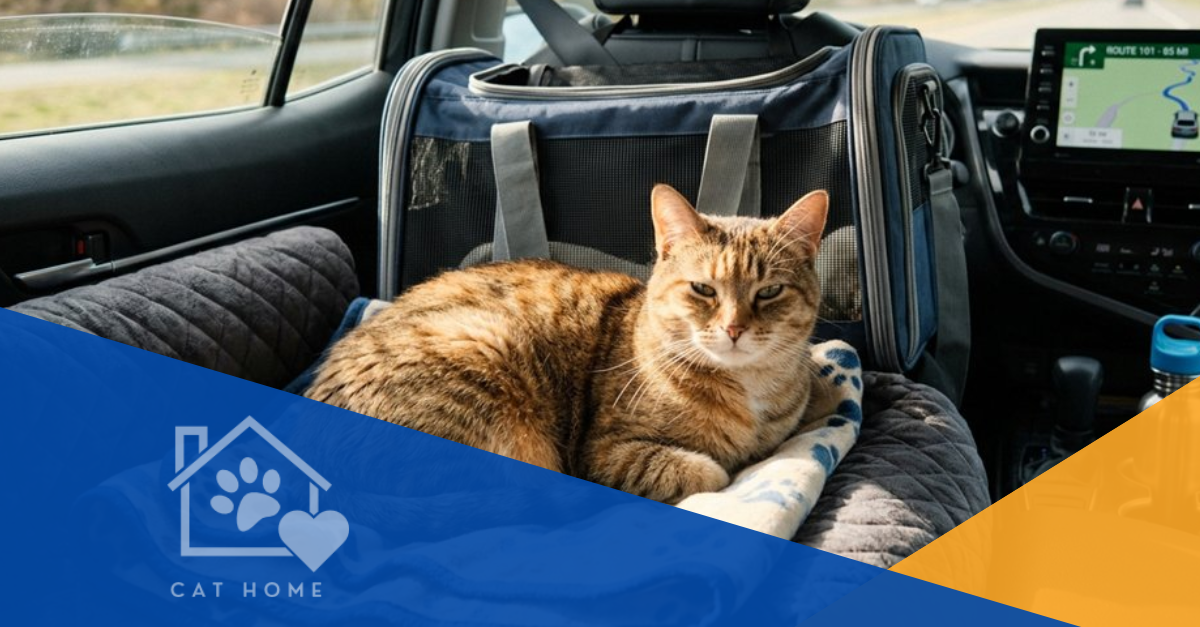
How to Travel Locally With Your Cat
By Nadya Aisy
Mon, Sep 21, 2026
Travelling with a cat can feel very different from travelling with a dog. Cats usually prefer familiar places, familiar smells, and predictable routines. Even a short trip to another part of town can make some cats nervous. That is why How to Travel Locally With Your Cat starts with preparation before you even leave home.
Whether you are going to the vet, visiting family, moving to a new home, or taking your cat somewhere nearby, the goal is to make the journey feel as safe and calm as possible.
Choose a Comfortable Cat Carrier
A secure cat carrier is one of the most important things you need. It should be strong, well ventilated, and large enough for your cat to stand, turn around, and lie down comfortably. Try not to bring the carrier out only when it is time for a stressful trip. Leave it open at home for a few days so your cat can explore it. Add a familiar blanket, toy, or a few treats inside. Over time, the carrier can become a normal part of the home instead of something your cat immediately fears.
Practise With Short Journeys
If your cat is not used to travelling, start slowly. A short drive around the neighbourhood can be a good first step before trying a longer journey. During cat travel, keep the environment quiet and avoid sudden movements or loud music. Some cats may meow a lot, while others may become very still. Both can be signs that they are unsure about what is happening. Short practice trips can help your cat become more familiar with the sounds and movement of the car.
Pack a Simple Travel Kit
Even for a short trip, it helps to bring a few familiar items. Pack your cat's usual food, water, favourite blanket, and any medication they may need. A simple travel kit can also include a small litter tray, litter, cleaning wipes, waste bags, absorbent pads, and an extra towel. You may not use everything, but having these items nearby can make unexpected situations easier to handle. Using your cat's normal food and supplies can also reduce the number of new things they have to adjust to during the trip.
Keep Your Cat Secure in the Car
It can be tempting to let your cat out of the carrier when they start meowing, but a loose cat inside a moving car can be dangerous. They may hide under a seat, distract the driver, or try to escape when a door opens. Keep the carrier secure so it cannot slide or tip over while the car is moving. Never leave your cat alone in a parked car, especially during hot weather, because the temperature inside can rise very quickly. If you need to open the carrier, make sure you are in a fully secure place first.
Prepare the Destination Before You Arrive
Learning How to Travel Locally With Your Cat also means preparing for what happens after the journey. Before you arrive, check that the destination is safe for cats. Close windows and doors, remove anything dangerous, and prepare a quiet space where your cat can settle. Do not expect your cat to explore immediately. Some cats may come out of the carrier quickly, while others may want to hide for a while. Let them adjust at their own pace.
A Calm Trip Starts With Preparation
The main idea behind How to Travel Locally With Your Cat is simple: make the experience predictable. A comfortable carrier, familiar smells, short practice trips, and a prepared destination can make travelling much less stressful.
Your cat may never become a passionate traveller, and that is completely fine. The goal is not to make every trip exciting. It is to help your cat feel safe from the moment you leave home until the moment you return.