
About 50,000 cats are living on the streets in Singapore

Please refer href these guide on how href register your cat.
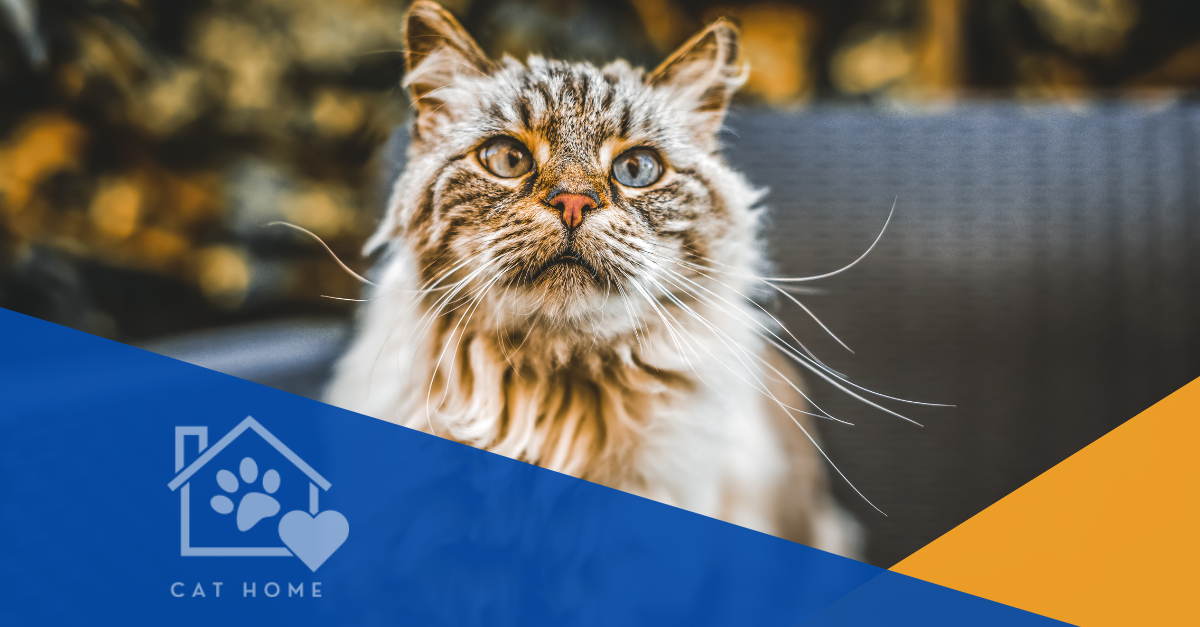
How to Spot Cognitive Decline in Senior Cats Around the House
By Salwati Samzaman
Sun, Jul 5, 2026
Senior cats are masters at hiding change. One day, your cat may still be napping in their favourite sunny corner, and the next, you may notice small habits that feel “not quite like them”. These changes can be easy to miss because they often happen slowly. That is why learning How to Spot Cognitive Decline in Senior Cats Around the House can help you support your cat with more patience, comfort, and care.
They Seem Lost in Familiar Places
One of the first signs of cognitive decline is confusion in cats in places they already know well. Your senior cat may stand in the hallway and look unsure where to go. They may get stuck behind furniture, stare at a wall, or walk into a room and seem to forget why they went there.
This kind of disorientation can be heartbreaking to watch, but try not to scold them. A calm voice, clear pathways, and familiar furniture placement can help your cat feel safer.
Their Sleep Routine Changes
Has your cat started sleeping more during the day but wandering at night? Do they meow loudly when the house is quiet?
Senior cats with cat dementia or feline cognitive dysfunction may experience sleep changes. This means they may feel active, confused, or anxious at night. You can help by keeping a gentle evening routine, offering a cosy sleeping area, and giving them quiet attention before bedtime.
They Meow More Than Usual
A senior cat may show excessive meowing when they feel confused, lonely, or unsure. Some cats cry at night. Others call out from another room, even when nothing seems wrong. Instead of thinking they are being “dramatic”, see it as communication. Changes in older cat behaviour may be their way of asking for comfort, direction, food, or simply reassurance that you are nearby.
They Forget the Litter Box
A cat who suddenly toilets outside the litter box is not being naughty. In senior cats, litter box problems can happen because of confusion, pain, stress, or other health issues. Place litter boxes in easy-to-reach areas and avoid high-sided boxes if your cat has stiff joints. If this behaviour starts suddenly, it is best to speak to a vet because urinary issues, kidney disease, arthritis, and other conditions can look similar.
They Act Different Around You
Another part of How to Spot Cognitive Decline in Senior Cats Around the House is noticing social changes. Your cat may become more clingy, less interested in cuddles, or slower to respond when you call them.
Some cats become anxious when left alone. Others may stop greeting you at the door. These small emotional changes can be early signs of cognitive decline or feline cognitive dysfunction.
They Play, Groom, or Eat Less
Cat dementia may also affect daily habits. Your cat may groom less, lose interest in toys, or seem less curious about the house. They may forget meal routines or appear confused near their food bowl. Try offering gentle play, easy-access food stations, and soft brushing sessions. Small routines can support better senior cat care at home.
What Cat Lovers Can Do
The goal is not to panic. The goal is to notice. Keep a simple diary of changes, including sleep, appetite, litter habits, meowing, and movement around the house. This can help your vet understand what is happening and offer proper veterinary guidance.
Knowing How to Spot Cognitive Decline in Senior Cats Around the House gives your cat a better chance of receiving early support. With love, routine, and care, your senior cat can still enjoy a warm, safe, and meaningful life at home.
Don’t miss our previous articles:
How to Support Elderly Cat Owners in Your Neighbourhood
Why Cats Prefer to Sleep Where You Just Sat
Choosing the Right Litter Type for Your Cat’s Personality