
About 50,000 cats are living on the streets in Singapore

Please refer href these guide on how href register your cat.
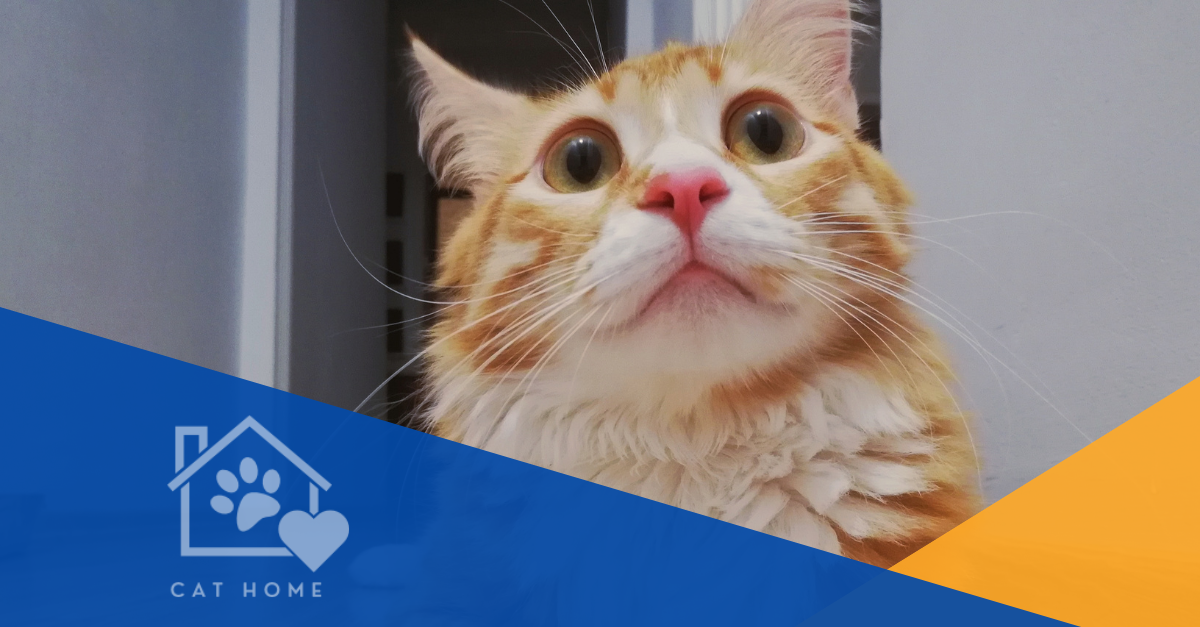
How Lost Cats Navigate Home: What Science Says
By Salwati Samzaman
Mon, Feb 23, 2026
One of the biggest fears for any cat lover is a missing cat. The door was open for a second. The window was not fully closed. And suddenly, your cat is gone. Then sometimes—almost like a miracle—they come back. If you have ever wondered how that happens, this article explains How Lost Cats Navigate Home: What Science Says in simple and easy-to-understand terms.
Cats are not just lucky. They have natural abilities that help them find their way.
Do Cats Have a “Homing Instinct”?
Many animal experts believe cats have a natural homing instinct. According to research discussed by pet behaviour specialists and veterinary sources like PetMD and VCA Animal Hospitals, cats rely heavily on their senses—especially smell and hearing—to understand their environment.
Cats build a mental map of their territory. Even indoor cats recognise scents, sounds, and landmarks around their home. When a cat escapes, it may use these familiar signals to guide itself back. Understanding How Lost Cats Navigate Home: What Science Says starts with recognising how powerful their senses really are.
The Power of Smell
A cat’s sense of smell is much stronger than a human’s. They use scent markers to define their territory. When cats rub their face on furniture or scratch certain spots, they are leaving scent signals.
If a cat is lost nearby, it may follow scent trails back home. Familiar smells from their own markings, other neighbourhood cats, or even the household itself can act like invisible road signs. However, strong weather conditions like rain can weaken scent trails, which makes returning home more difficult.
Hearing and Sound Memory
Cats also have excellent hearing. They can detect high-frequency sounds and recognise familiar noises. Your voice, the sound of food being shaken, or even the opening of a favourite treat packet can travel farther than you think.
Some behaviour experts suggest that cats may move quietly at night, when it is calmer, to listen for familiar sounds. This may explain why some lost cats return home after dark.
Do Cats Use Earth’s Magnetic Field?
Interestingly, some studies suggest that cats may have a sensitivity to Earth’s magnetic field. While research is still ongoing, certain experiments show that cats might use environmental cues—possibly even magnetic signals—to orient themselves.
This does not mean cats have a built-in GPS, but it may help explain how some cats travel surprisingly long distances and still find home.
Why Some Cats Stay Close
Many lost cats are not actually far away. According to veterinary behaviour research, indoor cats that escape often hide very close to home, especially if they are frightened. They may stay under decks, bushes, or cars until they feel safe.
That is why searching nearby carefully is very important.
Learning How Lost Cats Navigate Home: What Science Says helps cat owners understand that returning home is often a mix of instinct, senses, memory, and environment.
What You Can Do If Your Cat Goes Missing
Even though cats have strong instincts, they still need our help.
- Microchip your cat.
- Keep updated ID tags.
- Search nearby slowly and calmly.
- Call softly at night.
- Leave familiar bedding or litter outside to attract scent.
While some cats return on their own, many need active searching and community support.
In the end, How Lost Cats Navigate Home: What Science Says reminds us that cats are intelligent and resourceful—but preparation and prevention are still the best protection. For every cat lover, understanding their abilities gives both comfort and responsibility.