
About 50,000 cats are living on the streets in Singapore

Please refer href these guide on how href register your cat.
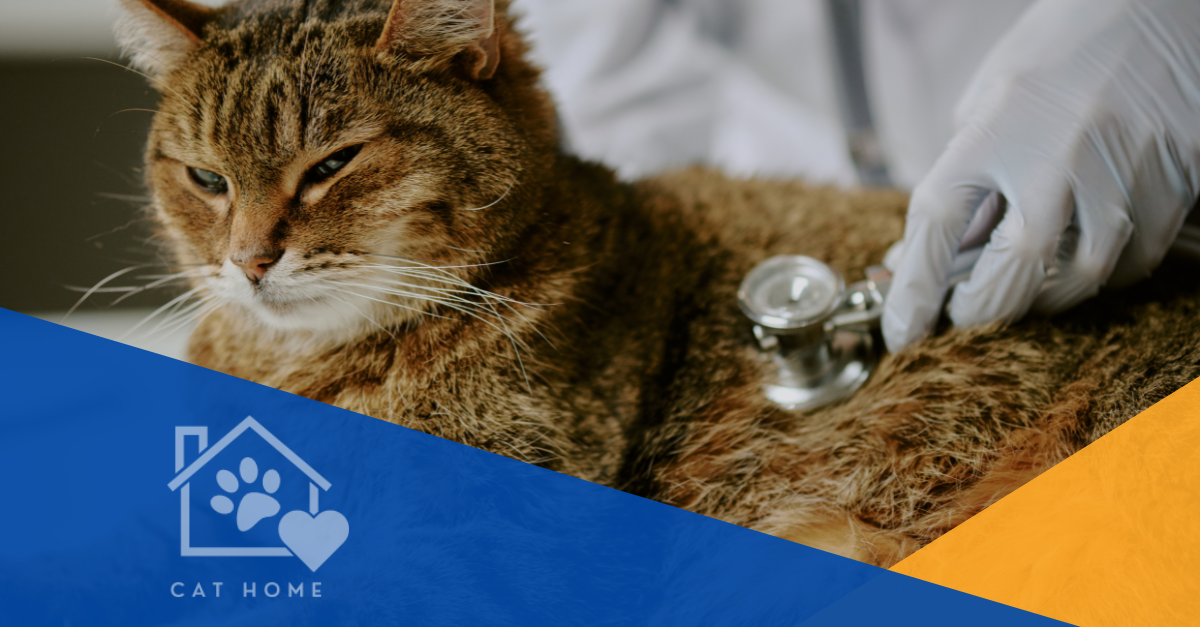
Early Signs of Kidney Issues in Cats You Shouldn’t Ignore
By Salwati Samzaman
Tue, Jan 13, 2026
Cats are experts at hiding discomfort. That is why kidney problems can be easy to miss at the start. The good news is that cat owners often notice small changes at home first. This guide, Early Signs of Kidney Issues in Cats You Shouldn’t Ignore, will help you spot those clues early so you can act quickly and keep your cat feeling comfortable.
Why kidney issues can be “quiet”
A cat’s kidneys help filter waste and balance water in the body. When kidneys start struggling, the changes can happen slowly. Your cat might still look normal, but small habits begin to shift. Those small shifts matter.
Early signs to watch for at home
1) Drinking more water: If you are refilling the bowl more often, or your cat suddenly loves the tap or shower area, take note. Many cats with early kidney changes drink more because they lose more water in their urine.
2) Peeing more: Look for bigger urine clumps, more trips to the litter box, or accidents outside the box. This is one of the most common early hints.
3) Weight loss: You may not notice day to day, but over a few weeks your cat can look slimmer, especially around the back and hips. A quick weekly weigh-in (even with a home scale) can help.
4) Eating less or being picky: Your cat might sniff food and walk away, eat smaller amounts, or suddenly refuse favourites. Appetite changes are important, especially in older cats.
5) Low energy or hiding more: If your cat plays less, sleeps more than usual, or seems less interested in people, treat it as a sign worth checking.
6) Bad breath or messy coat: Some cats develop unpleasant breath and stop grooming as well. You may also notice a dry-looking coat.
7) Constipation: Less drinking can lead to dehydration, and dehydration can lead to constipation. If your cat strains, passes hard stools, or goes less often, it is worth mentioning to your vet.
What you can do this week
Here are simple steps that help you notice patterns:
- Check the litter box daily for bigger clumps or changes in routine.
- Track water by measuring how much you pour in and how much is left.
- Weigh your cat weekly and write it down.
- Book a vet visit if you see changes for more than a few days.
A vet will usually recommend blood and urine tests to check kidney function. Early detection can make a real difference in comfort and daily life.
When it is urgent
Call a vet sooner if you see:
- vomiting that keeps happening
- not eating for 24 hours
- extreme tiredness
- dehydration (dry gums, sunken eyes)
- very little urine, or straining to pee
The goal of Early Signs of Kidney Issues in Cats You Shouldn’t Ignore is not to make you worry. It is to help you notice changes earlier, because cats are subtle. You know your cat best. If something feels different, it is always okay to ask your vet.