
About 50,000 cats are living on the streets in Singapore

Please refer href these guide on how href register your cat.
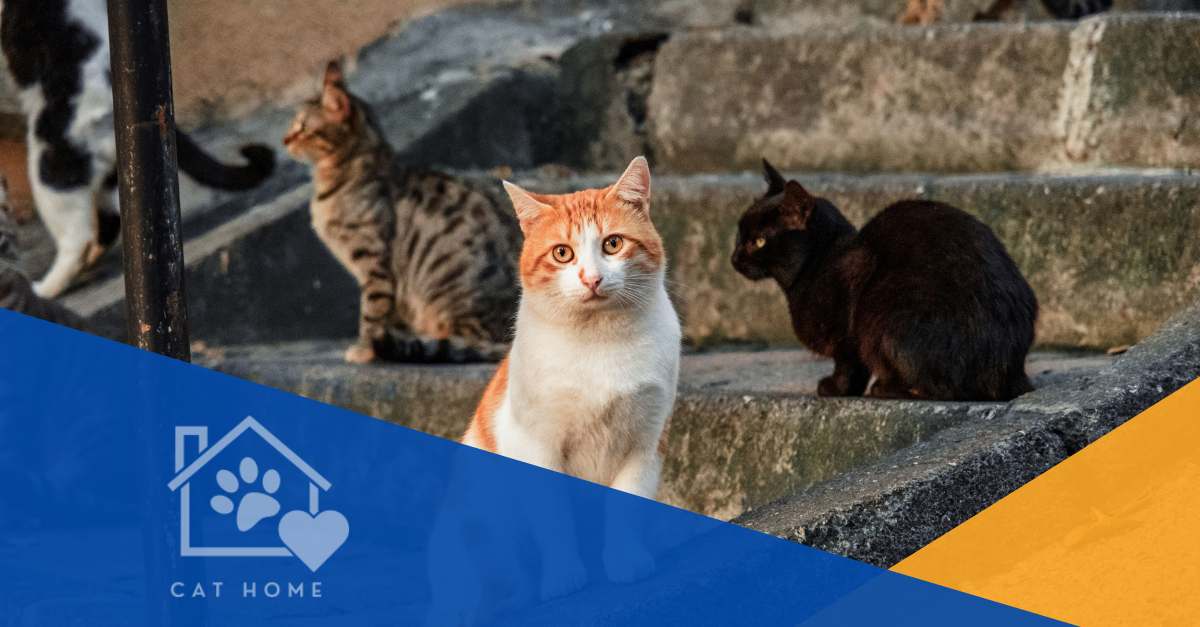
Consequences of Cat Overpopulation Stemming from Irresponsible Ownership
By Salwati Samzaman
Mon, Jan 8, 2024
Cat overpopulation is a critical issue that arises predominantly from irresponsible ownership practices. The repercussions of this problem extend far beyond the feline community, affecting both the welfare of the cats and the broader ecosystem. Let's delve into the consequences of cat overpopulation that unfortunately result from irresponsible pet ownership.
1. Strain on Resources:
Irresponsible breeding and lack of spaying or neutering contribute significantly to cat overpopulation. This leads to a surplus of cats competing for limited resources, such as food, shelter, and veterinary care. The strain on these resources impacts the cats' well-being and creates challenges for animal welfare organisations attempting to manage and care for the burgeoning population.
2. Spread of Diseases:
Overpopulation facilitates the rapid spread of diseases among cats. In crowded environments, contagious illnesses can proliferate quickly, affecting not only the unowned or feral cats but also those in homes. Infectious diseases pose a threat to the overall health of the feline population and can even spill over to other animals and, in some cases, humans.
3. Increased Stray and Feral Population:
Irresponsible breeding contributes to a surge in the number of stray and feral cats, which likely are coming from abandonment cases. These animals face numerous challenges, including malnutrition, exposure to the elements, and heightened risk of accidents and predation. The unchecked growth of the stray and feral population also intensifies the strain on local ecosystems, potentially impacting native wildlife.
4. High Euthanasia Rates:
Overpopulated shelters often need help to accommodate the sheer volume of cats. Sadly, this leads to high euthanasia rates, as shelters may be forced to make difficult decisions due to limited resources and space. Many of these cats are healthy and adoptable, making euthanasia a tragic consequence of irresponsible breeding and ownership.
5. Economic Burden:
The economic burden resulting from cat overpopulation falls on animal shelters, local governments, and communities. Funds that could be allocated to other essential services must be diverted to manage the consequences of overpopulation, including the capture, care, and sometimes euthanasia of excess cats.
6. Environmental Impact:
The environmental impact of cat overpopulation extends beyond the immediate well-being of the cats. Feral and free-roaming cats can disrupt local ecosystems by preying on small mammals and birds. This can have cascading effects on biodiversity and disrupt the delicate balance of local fauna.
7. Strain on Human-Animal Bonds:
Overpopulation often leads to a devaluation of individual cats' lives, impacting the quality of the human-animal bond. Cats may be perceived as disposable commodities rather than cherished companions, eroding the mutual trust and affection that should define the relationship between pets and their owners.
In conclusion, the consequences of cat overpopulation are far-reaching and demand a multifaceted approach to mitigation. Responsible ownership practices, including spaying and neutering, adopting from shelters, and providing proper veterinary care, are crucial in stemming the tide of overpopulation and promoting the well-being of cats in our communities.