
About 50,000 cats are living on the streets in Singapore

Please refer href these guide on how href register your cat.
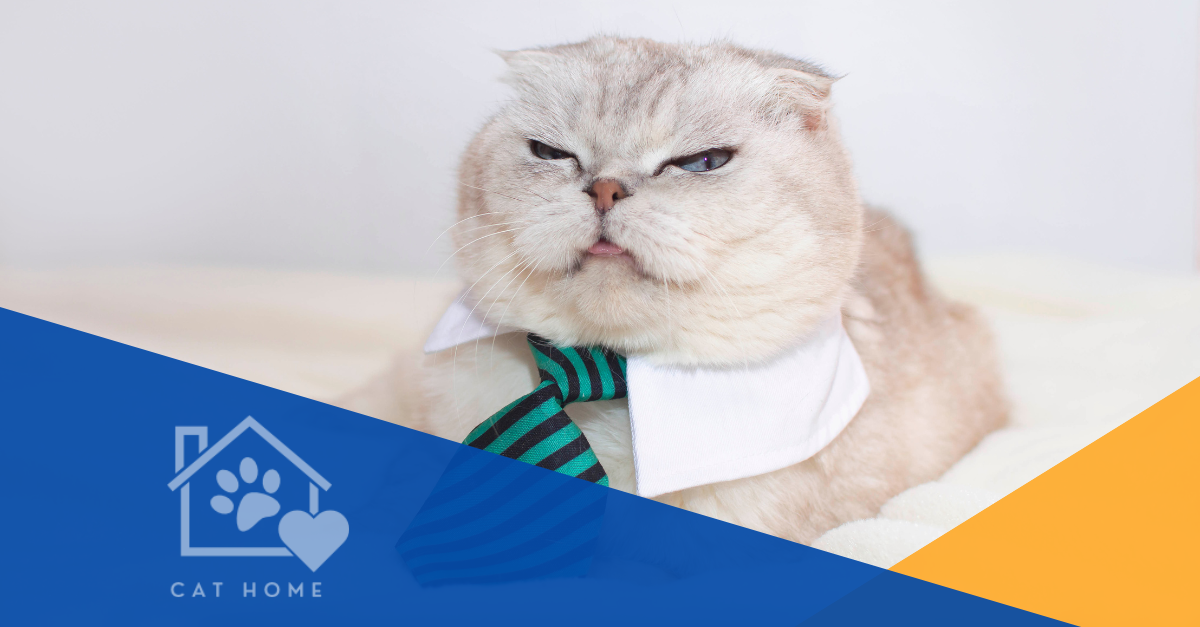
Characteristics Of A Boss Cat At Home
By Salwati Samzaman
Tue, Oct 21, 2025
Some cats have considerable main-character energy. They claim your chair, demand breakfast at dawn, and act like tiny CEOs. “Characteristics Of A Boss Cat At Home” breaks down the common signs of a “boss cat” and how to keep harmony without dimming your feline’s fabulous personality.
What makes a cat act like the boss?
Cats are natural resource managers: they care about food, water, litter areas, resting spots, and safe routes. In multi-cat homes, confident cats may gain priority access to these resources, which can look like “being the boss”. Behaviour research suggests cats organise themselves around access to resources rather than strict linear hierarchies, so what you’re seeing is often smart resource strategy, not a power trip.
Classic “boss cat” behaviours
- Owning the best spots. From your favourite chair to the sunniest sill, some cats always take premium real estate. Popular lists of “boss cat” signs consistently include seat takeovers.
- Setting the schedule. Early-morning wake-ups, meow-reminders before meals, and “now, human” cuddle requests are classic.
- Selective hearing. Your cat hears you, they’re just choosing their moment. Even pet-care guides joke that cats believe they run the household.
- Door control and pathway rights. Blocking hallways, guarding doorways, or insisting on first pass to a room can be subtle ways to control space. Behaviour texts note these “supplanting” moves in higher-ranking cats.
Is a boss cat a problem?
Not necessarily. Confidence can be charming and healthy. Issues arise when another cat is stressed, such as hissing, hiding, over-grooming, or litter accidents, or when you see chasing and blocking around food or trays. Multi-cat aggression is usually territorial or resource-based rather than a “bad attitude”, and it often improves with a better layout and routine.
How to live happily with a boss cat
- Duplicate resources. Follow the “one per cat plus one” rule for litter trays, feeding and water stations, and scratching posts. Spread them out so no one can guard everything. This lowers tension fast.
- Add vertical space. Cat trees, shelves, and window perches create escape routes and reduce face-offs in tight corridors.
- Use predictable routines. Timed feeds and scheduled play reduce “reminder” meows and dawn patrol wake-ups from your furry supervisor.
- Do calm introductions. For new roommates, swap scents first, use short visual sessions, and progress slowly to full access. It’s about safety, not dominance wins.
- Give jobs. Ten minutes of wand-toy “hunting”, a puzzle feeder, or clicker training lets a confident cat use their brain and body. Many “bossy” quirks soften when needs are met.
When to get extra help
If you see escalating fights, injuries, persistent bullying at food or litter areas, or a cat that hides most of the day, speak with your vet to rule out pain and consult a qualified behaviour professional. Evidence-based plans can reset the social climate at home.
“Characteristics Of A Boss Cat At Home” isn’t about defeating your cat’s personality. It’s about understanding what that confidence means and shaping the environment so every cat feels secure. With clever resource placement, steady routines, and daily play, a bold feline can be a brilliant housemate.
For every proud cat parent living with a tiny manager in fur, remember: “Characteristics Of A Boss Cat At Home” starts with respect for cat needs, and ends with a calmer, happier home for everyone.