
About 50,000 cats are living on the streets in Singapore

Please refer href these guide on how href register your cat.
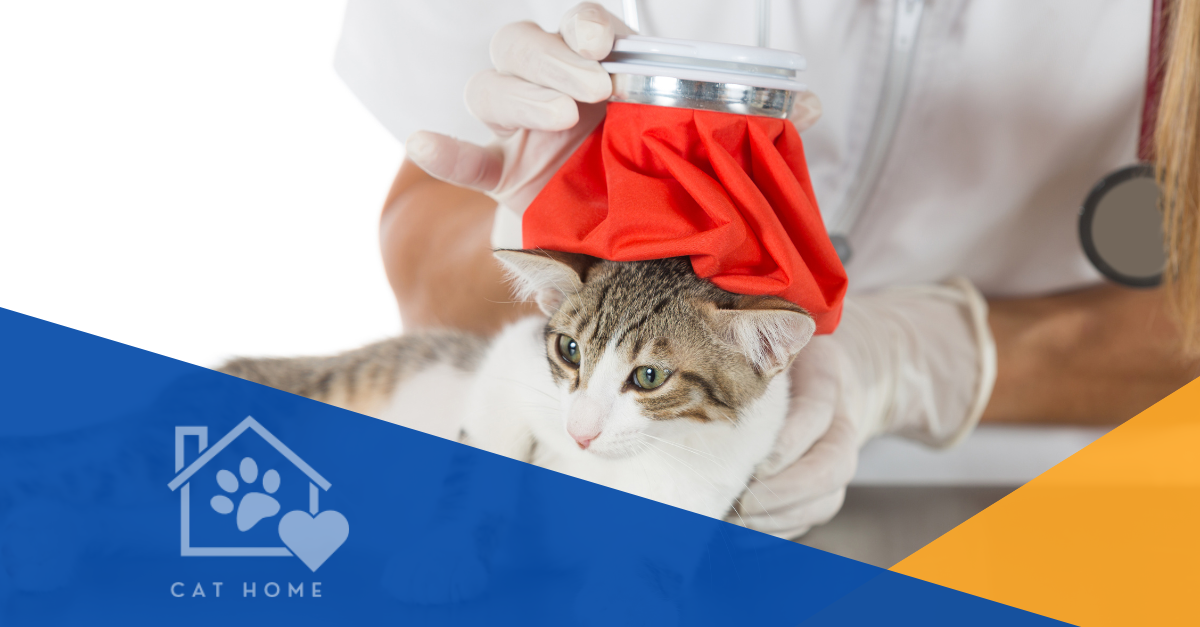
Cat Fever: What You Need to Know
By Salwati Samzaman
Fri, Apr 19, 2024
Cat fever can be a cause for concern among cat owners, whether you have a pet cat, a foster cat, a rescued cat, or even community cats.
Understanding the basics of cat fever is important for the well-being of our feline friends. In this article, we will explore the causes, symptoms, diagnosis, and treatment of fever in cats, providing you with essential information to help you recognise and address this common health issue.
What is cat fever?
Just like humans, cats can experience an increase in body temperature when they are sick or for various other reasons. A normal cat's body temperature ranges between 100°F and 102.5°F. When a cat's body temperature goes beyond this range, it is considered to have a fever.
Causes of cat fever:
Cat fever can be caused by different factors, including excitement, anxiety, pain, sickness, exercise, reaction to certain medications, heat exhaustion, or heat stroke. Sometimes, the cause of the fever may remain unknown, leading to a diagnosis of "fever of unknown origin."
Recognising symptoms:
When cats have a fever, they may show symptoms such as being less active, sleeping more than usual, having a reduced appetite, hiding, and avoiding activities they normally enjoy. Depending on the underlying cause, additional symptoms like vomiting or diarrhoea may also be present. If you notice any concerning symptoms, it is important to consult with your veterinarian to schedule an appointment.
Diagnosing cat fever:
To diagnose cat fever, your veterinarian will conduct a thorough physical examination, review your cat's medical history, and recommend diagnostic tests. These tests can include blood tests to check for viral or bacterial infections, a complete blood count, urinalysis, and imaging tests such as x-rays or ultrasounds.
Treatment and management:
The appropriate treatment for cat fever depends on identifying and addressing the underlying cause. Once the cause is determined, targeted treatments can be administered. Additionally, supportive care may involve giving fluids to prevent dehydration, medications to relieve discomfort and reduce fever, and providing proper nutrition. In severe cases or when the cat is not eating or drinking, hospitalization may be necessary for close monitoring and intensive treatment.
Recovery and outlook:
With proper treatment, many cats respond well and recover from a fever within a few days to a week. However, the duration of the fever and the recovery time depend on the underlying cause and the effectiveness of the treatment. While most cats will recover, some fevers may be chronic or recurring, requiring ongoing management.
Conclusion:
Knowing cat fever signs helps you care for your cat quickly. Watch for unusual behaviour, and take your cat to the vet if you suspect a fever. Early action shows you care about your cat's health! Now, let's learn the signs of cat fever.