
About 50,000 cats are living on the streets in Singapore

Please refer href these guide on how href register your cat.
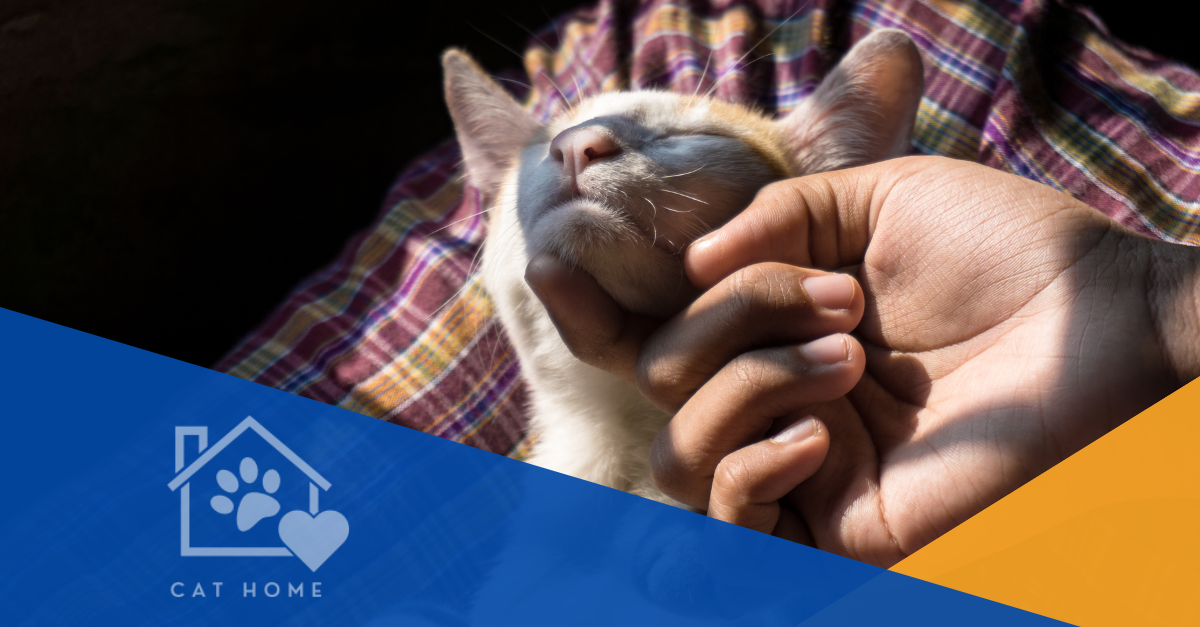
Beware: Overly Pampered Cat Behaviour
By Salwati Samzaman
Mon, Nov 17, 2025
Your cat deserves love, safety, and fun; however, there is a point where extra treats and non-stop attention can start to cause problems. Beware: Overly Pampered Cat Behaviour is not about blaming cat parents. It is a gentle checklist that helps you identify unhelpful habits early and replace them with more considerate routines that promote health and harmony at home.
Quick signs to watch
- Picky eating or food drama: constant menu changes, begging at the table, or night wake-ups for snacks. These are classic “spoiled cat” patterns that we often teach unintentionally. Consistent rules and set mealtimes help.
- Endless attention-seeking: shadowing you room to room, loud meowing for contact, or refusing to settle alone. Sometimes this is learned behaviour, and sometimes it hints at stress.
- Overfeeding and weight gain: treating a cat with treats on top of meals or free-feeding all day can nudge a cat toward obesity, which raises health risks.
Why it happens
Over-pampering often starts with love. We respond to meows, we offer extras, and the cycle grows. But there can be deeper reasons. Articles on overly affectionate cats note that a sudden surge in clinginess may relate to stress, routine changes, or a medical issue such as pain or thyroid disease. A check-up is wise if behaviour changes quickly or feels out of character.
Risks you can prevent
- Sleep loss and frustration for humans when cats learn that 4 a.m. meows bring food or play.
- Weight-related problems when affection equals snacks.
- Greater anxiety if shouting or punishment is used, because it adds fear rather than teaching better choices. A calm, positive plan works better.
A kinder reset plan
- Make routines your best friend. Feed at regular times, add two short play sessions daily, and maintain a quiet bedtime routine. Predictability reduces demand behaviours.
- Redirect, do not scold. Move your cat from the counter to a nearby perch and reward four paws on it. Swap nagging for clear “yes-spots.”
- Pay the calm. Treat or praise your cat when they settle on their bed or entertain themselves. Ignore the dramatic meow and reward the quiet moment instead.
- Balance affection with independence. Set cosy rest areas, window perches, and puzzle feeders so your cat can relax and play without you every minute. This supports confidence and lowers clinginess.
- Health first. If a typically independent cat becomes extremely cuddly overnight, consult your veterinarian to rule out any underlying illness or pain.
A quick self-check for cat parents
Which habit sounds familiar: extra snacks after meows, changing foods, or getting up at dawn to feed? Choose one small swap today. For example, schedule a five-minute wand-toy chase before dinner, then feed on time, then lights out. Repeat this process for seven days and observe as the demands fade as your cat’s needs are met healthily. This is the spirit of Beware: Overly Pampered Cat Behaviour. It is no less love. It is smarter love.
In the long run, maintaining steady routines, providing positive training, and offering thoughtful enrichment helps protect your bond and your cat’s health. Keep this simple mantra in mind: meet needs first, reward calm second, and be consistent. With that, you will keep the joy of spoiling while avoiding the pitfalls that inspired Beware: Overly Pampered Cat Behaviour.