
About 50,000 cats are living on the streets in Singapore

Please refer href these guide on how href register your cat.
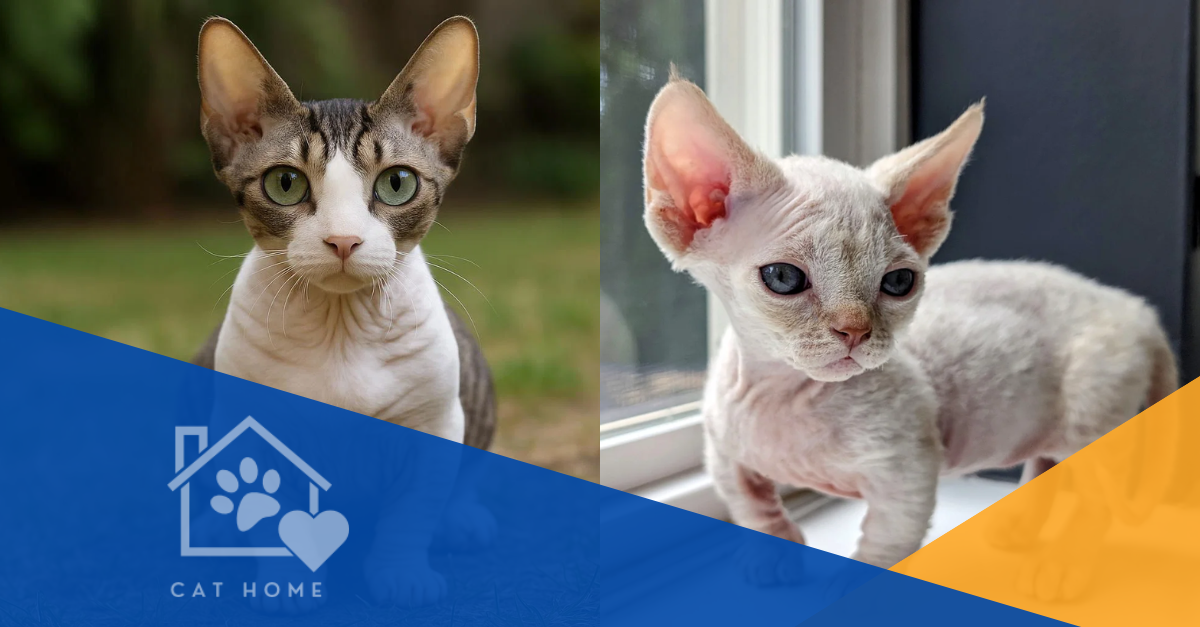
Are Minskin Cats Safe? (Dwarf Breed Debate)
By Nadya Aisy
Mon, Sep 14, 2026
Tiny legs, big eyes, and a mostly hairless body make the Minskin one of the most unusual-looking cat breeds. Some cat lovers find them adorable because they often keep a kitten-like appearance even as adults. Others are more cautious and wonder whether breeding cats for dwarf features could affect their health and comfort. This is why Are Minskin Cats Safe? (Dwarf Breed Debate) is an important topic for anyone interested in rare or unusual breeds.
What Is a Minskin Cat?
The Minskin is a relatively new breed created from several breeds, including the Munchkin, Sphynx, Burmese, and Devon Rex. It is best known for its short legs, small body, and sparse coat. TICA has published a breed standard for the Minskin that describes these physical features. The short legs come from Munchkin ancestry, which is also the main reason why the breed attracts attention in discussions about dwarf cats.
Minskins are often described as playful, affectionate, and curious. Their unusual appearance can make them very appealing, but looks should never be the only thing considered when choosing a cat.
Why Are Dwarf Cats Debated?
Cats are naturally active animals. They jump onto furniture, climb, run, stretch, and explore different heights around the home. Short-legged cats can still do many of these things, but their body structure may affect how easily they move.
The Universities Federation for Animal Welfare explains that the short limbs seen in Munchkin-type cats are caused by a genetic skeletal condition. This can reduce normal jumping ability and may place different stress on the joints. There are also concerns about possible osteoarthritis, although more long-term research is still needed.
This does not mean that every Minskin will automatically have severe health problems. However, it does mean that owners should understand the possible risks instead of choosing the breed only because of its appearance.
Does Every Minskin Have Health Problems?
No. Individual cats can be very different. Some Minskins may remain active and comfortable for many years, while others may experience mobility or joint problems later in life. Because the breed is still relatively new, there is less long-term scientific information about Minskins compared with older breeds.
Regular veterinary checks are therefore important for monitoring cat health. Owners should pay attention to signs such as difficulty jumping, stiffness, reduced activity, limping, or hesitation when climbing stairs. Small changes in behaviour can sometimes be an early sign that a cat is uncomfortable.
Hairless Skin Needs Extra Attention
Minskins may also inherit a thin or partly hairless coat. This means Minskin care can involve more than monitoring their legs and joints. Cats with little fur may need extra attention to skin cleanliness, temperature, and sun exposure.
Without a full coat, natural skin oils can build up more easily. Owners may need to clean the skin carefully and check for redness, irritation, or other changes. These cats may also feel cold more easily, so a warm and comfortable indoor environment is important.
So, Are Minskins Safe?
The answer to Are Minskin Cats Safe? (Dwarf Breed Debate) is not completely simple. A Minskin can be playful, affectionate, and enjoy a good quality of life, but there are genuine welfare concerns connected with intentionally breeding cats for dwarf features. Animal welfare organisations have raised broader concerns about extreme physical traits in pedigree cats when those traits may affect normal movement or long-term comfort.
If you are thinking about adopting or buying a Minskin, ask about the parents' health, veterinary screening, mobility, and breeding history. It is also worth speaking with a veterinarian before making a decision.
Ultimately, Are Minskin Cats Safe? (Dwarf Breed Debate) is not only a question about whether these cats are cute or unusual. It is about whether breeding choices allow cats to move comfortably, stay healthy, and enjoy the natural behaviours that make them cats.