
About 50,000 cats are living on the streets in Singapore

Please refer href these guide on how href register your cat.
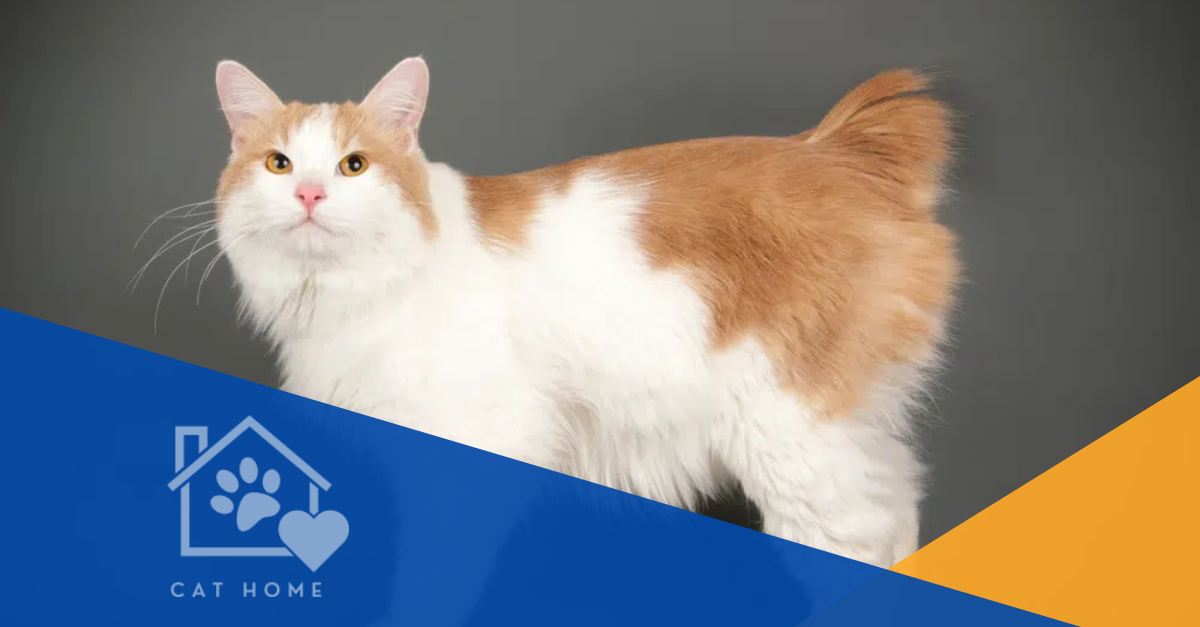
Are Cats Without Tails Different? Let's See
By Salwati Samzaman
Mon, Apr 21, 2025
Some cats are born without tails, while others have only short, bobbed ones. These tailless felines belong to unique breeds that carry special genetic traits. In Are Cats Without Tails Different? Let's See, this article explores what makes them stand out, how they move, their personalities, and how to care for them properly.
Why Some Cats Don’t Have Tails
Tailless cats are often part of specific breeds where the absence of a tail is completely natural. This trait results from a genetic mutation and is not caused by injury or illness. Depending on the breed, a cat may be completely tailless, have a short stub, or a flexible nub.
This feature links closely to breed origins, with some developing naturally in isolated regions where the tailless gene became dominant. Despite the difference in appearance, these cats are just as active and healthy as any other, provided they are bred responsibly.
How Tailless Cats Maintain Balance
Most cats use their tails for balance, particularly when climbing or making quick turns. Tailless cats, however, have developed remarkable adaptations. Their hind legs and core muscles are typically stronger, enabling them to move with impressive agility and control.
Many tailless cats have a sturdy, muscular build that supports excellent movement. These breeds are known for being skilled jumpers and climbers, proving that a tail is not essential for grace and coordination.
Unique Personality Traits
The question Are Cats Without Tails Different? Let's See also invites us to look at their behaviour. Tailless breeds are often social, playful, and intelligent. They enjoy interactive play, exploring their surroundings, and staying close to their human companions.
Some breeds are even described as dog-like due to their loyalty and responsiveness. These cats may follow their owners around, greet them at the door, or learn simple tricks. Their affectionate nature makes them ideal for families, including homes with children or other pets.
Care Considerations for Tailless Cats
Tailless cats usually require the same care as other breeds. However, awareness of potential spinal issues is important. The gene responsible for their tailless appearance can sometimes affect the spine and nerves. When this occurs, signs tend to appear early in life and can be managed with proper veterinary care.
Routine grooming, a balanced diet, stimulating play, and regular vet visits will keep these cats healthy and happy. Choosing a reputable breeder or adoption centre helps ensure the cat has been well cared for from the start.
Final Thoughts
Are Cats Without Tails Different? Let's See reveals that they are indeed different, but in delightful and lovable ways. Their unique appearance, playful nature, and loyal personalities make them a fantastic addition to many homes. Anyone looking for a cat with character and charm may find a perfect match in one of these tailless breeds.