
About 50,000 cats are living on the streets in Singapore

Please refer href these guide on how href register your cat.
5 Signs Your Cat Looks ‘Guilty’ (and What’s Really Going On)
By Salwati Samzaman
Mon, Nov 24, 2025
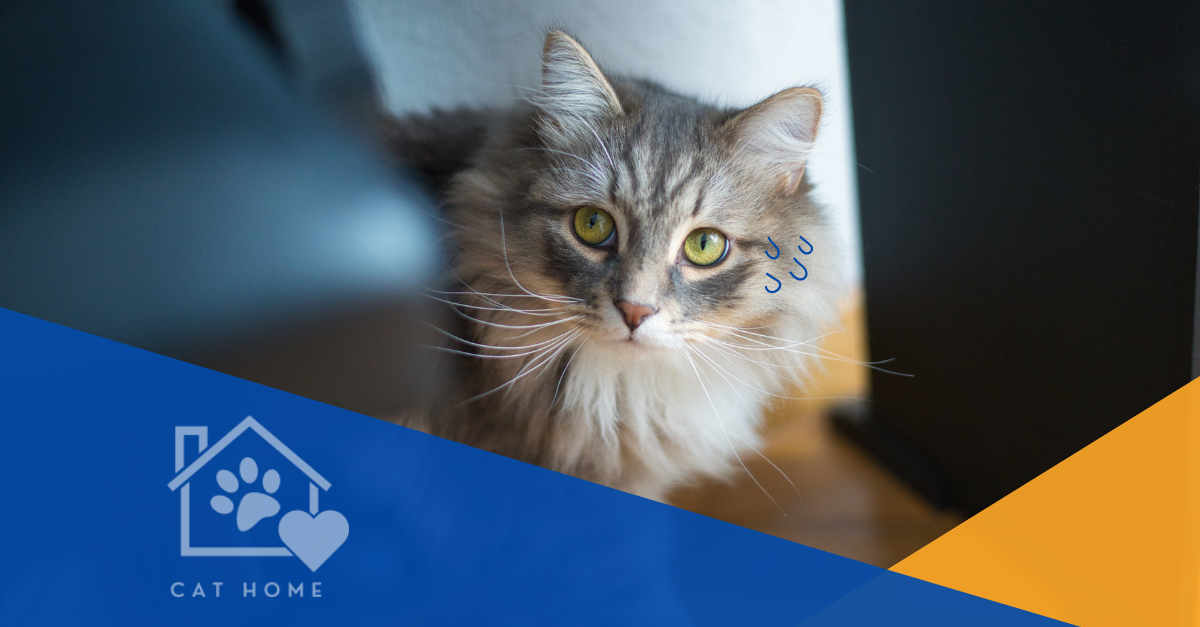
Plant pot on the floor, soil everywhere… and your cat peeks from the doorway with huge eyes. Is that guilt or something else? In 5 Signs Your Cat Looks ‘Guilty’ (and What’s Really Going On), we translate those “oops” expressions into real feline signals and show simple, kind fixes.
Quick truth before the signs
Vets say cats do not feel guilt the way humans do. What we read as “guilty” is usually stress, uncertainty, or an attempt to calm the situation after our voice or posture changes. Cats can care about our mood and may offer peace signals, but that is not human-style remorse.
The 5 signs (what you see • what it means • what to try)
1) Head low, no eye contact
- You see: lowered head, averted gaze, tight body.
- Meaning: “I am unsure; please be gentle,” not an admission of wrongdoing.
- Try: soften your shoulders, blink slowly, speak quietly. Then guide the cat to a “yes” spot, such as a perch or mat, and reward calm behavior.
2) Flop, relax, then groom
- You see: a sudden lie-down followed by tidy licking.
- Meaning: self-soothing to reduce arousal after a tense moment.
- Try: give space for a minute. When relaxed, redirect to play or the scratch post and praise the reset.
3) Belly show, but cautious
- You see: a roll onto the side or back with tummy exposed.
- Meaning: appeasement or trust, “I am not a threat,” not a demand for belly rubs.
- Try: answer with a slow blink or a gentle hello. Only pet your cat if it clearly invites you to do so.
4) Dart away, watch from a distance
- You see: a quick retreat to the doorway, then careful observing.
- Meaning: creating a safe distance to reassess your mood and the room.
- Try: stay still, keep your voice low, and let your cat return on their own. Then show the allowed place, such as a counter or alternative perch.
5) Extra cuddly: bunting, kneading, slow blinks
- You see: head bumps, purrs, or sitting closer after the “incident.”
- Meaning: friendly repair attempts. Cats can seek reassurance and connection even if they do not feel guilt.
- Try: reward these peace offers with calm attention. Short, positive interactions together can quickly rebuild trust.
Minor fixes that change everything
- Guide, not scold: Move a counter-surfer to a nearby perch and pay four paws on it.
- Make “yes” easy: Add scratchers, shelves, window perches, and play before meals to drain energy.
- Routines soothe: Consistent feeding, two short play sessions, and a quiet bedtime reduce “naughty” moments.
- Watch for stress: If clinginess or hiding behavior spikes suddenly, check for home changes or health issues and consult your veterinarian.
The gentle takeaway
When you view those big eyes through the lens of stress, rather than shame, you respond with calm voices, clearer options, and simple routines. That is the spirit of 5 Signs Your Cat Looks ‘Guilty’ (and What’s Really Going On): fewer scolds, more guidance, and a stronger bond. Share these tips with another cat parent who wants a kinder, quieter home, and keep 5 Signs Your Cat Looks ‘Guilty’ (and What’s Really Going On) handy as your quick, cat-friendly playbook.